


Top Natural Sources of Iron for a Healthy Diet

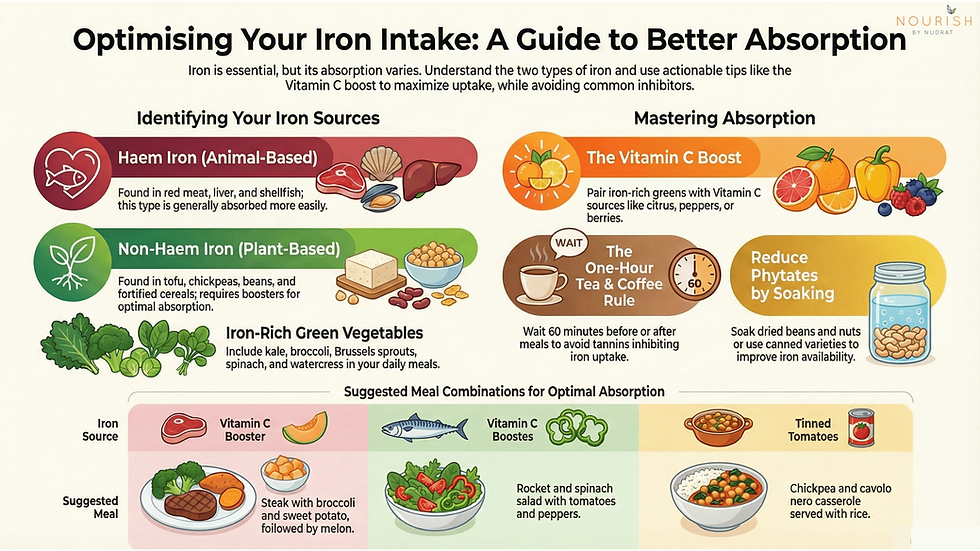
Iron plays a crucial role in the body, supporting oxygen transport, energy production, and immune function. Many people struggle with iron deficiency, which can lead to fatigue, weakness, and other health issues. Including natural sources of iron in your diet is a practical way to maintain healthy iron levels and support overall well-being.
Why Iron Matters
Iron is a mineral essential for producing haemoglobin, the protein in red blood cells that carries oxygen throughout the body. Without enough iron, your body cannot make enough healthy red blood cells, leading to anaemia. This condition can cause symptoms like tiredness, shortness of breath, and difficulty concentrating.
Getting iron from food is the safest and most effective method to prevent deficiency. Natural sources of iron come in two forms: heme iron, found in animal products, and non-heme iron, found in plant-based foods. Heme iron is absorbed more efficiently by the body, but non-heme iron sources are valuable, especially for vegetarians and vegans.
Animal-Based Sources of Iron
Animal products provide heme iron, which the body absorbs at a rate of about 15-35%. Here are some top animal-based iron sources:
Red Meat: Beef and lamb are rich in iron. A 3-ounce serving of cooked beef provides about 2.1 mg of iron, roughly 12% of the daily recommended intake for adults.
Poultry: Chicken and turkey contain moderate amounts of iron, especially dark meat. For example, 3 ounces of cooked turkey dark meat offers about 2.3 mg of iron.
Seafood: Shellfish like clams, oysters, and mussels are excellent iron sources. Clams provide around 23.8 mg of iron per 3-ounce serving, making them one of the richest sources.
Organ Meats: Liver is particularly high in iron. A 3-ounce serving of beef liver contains about 5 mg of iron.
Including these foods regularly can help maintain adequate iron levels, especially for those who consume animal products.
Plant-Based Sources of Iron
Non-heme iron from plants is less easily absorbed, but certain foods are rich in iron and can boost intake when combined with vitamin C-rich foods, which enhance absorption.
Legumes: Lentils, chickpeas, and beans are excellent sources. Cooked lentils provide about 3.3 mg of iron per half-cup serving.
Tofu and Tempeh: These soy products offer around 3-4 mg of iron per half-cup serving, making them great options for vegetarians.
Dark Leafy Greens: Spinach, kale, and Swiss chard contain iron, with cooked spinach providing about 3.6 mg per half-cup.
Nuts and Seeds: Pumpkin seeds, cashews, and almonds contribute iron. For example, a quarter-cup of pumpkin seeds has about 2.5 mg of iron.
Whole Grains: Quinoa, brown rice, and oatmeal contain iron. One cup of cooked quinoa offers about 2.8 mg.
Pairing these foods with citrus fruits, tomatoes, or bell peppers can improve iron absorption significantly.
Tips to Maximise Iron Absorption
Certain dietary habits can influence how well your body absorbs iron:
Include Vitamin C: Eating vitamin C-rich foods with iron sources can double or triple absorption. Examples include oranges, strawberries, and broccoli.
Avoid Drinking Tea or Coffee with Meals: These beverages contain compounds that inhibit iron absorption.
Cook in Cast Iron Pans: This can increase the iron content of food, especially acidic foods like tomato sauce.
Limit Calcium Intake During Iron-Rich Meals: Calcium can interfere with iron absorption, so consume dairy products separately from iron-rich meals.
Special Considerations
Some groups have higher iron needs, such as pregnant women, young children, and people with certain medical conditions. Vegetarians and vegans should pay extra attention to combining iron-rich plant foods with vitamin C sources to meet their requirements.
If you suspect iron deficiency, consult a healthcare provider for proper testing and guidance. Iron supplements may be necessary in some cases but should be taken under medical supervision to avoid complications.


Comments